Rat Control in Erith, London
Rat Control enquiries in Erith sit alongside strong local demand for pest control in the area. Describe the signs you have seen, the affected rooms and your Erith postcode so the right next step can be discussed.
Best One already ranks in the top position for "pest control erith" locally. It's one of the more active postcodes we cover for rat control.
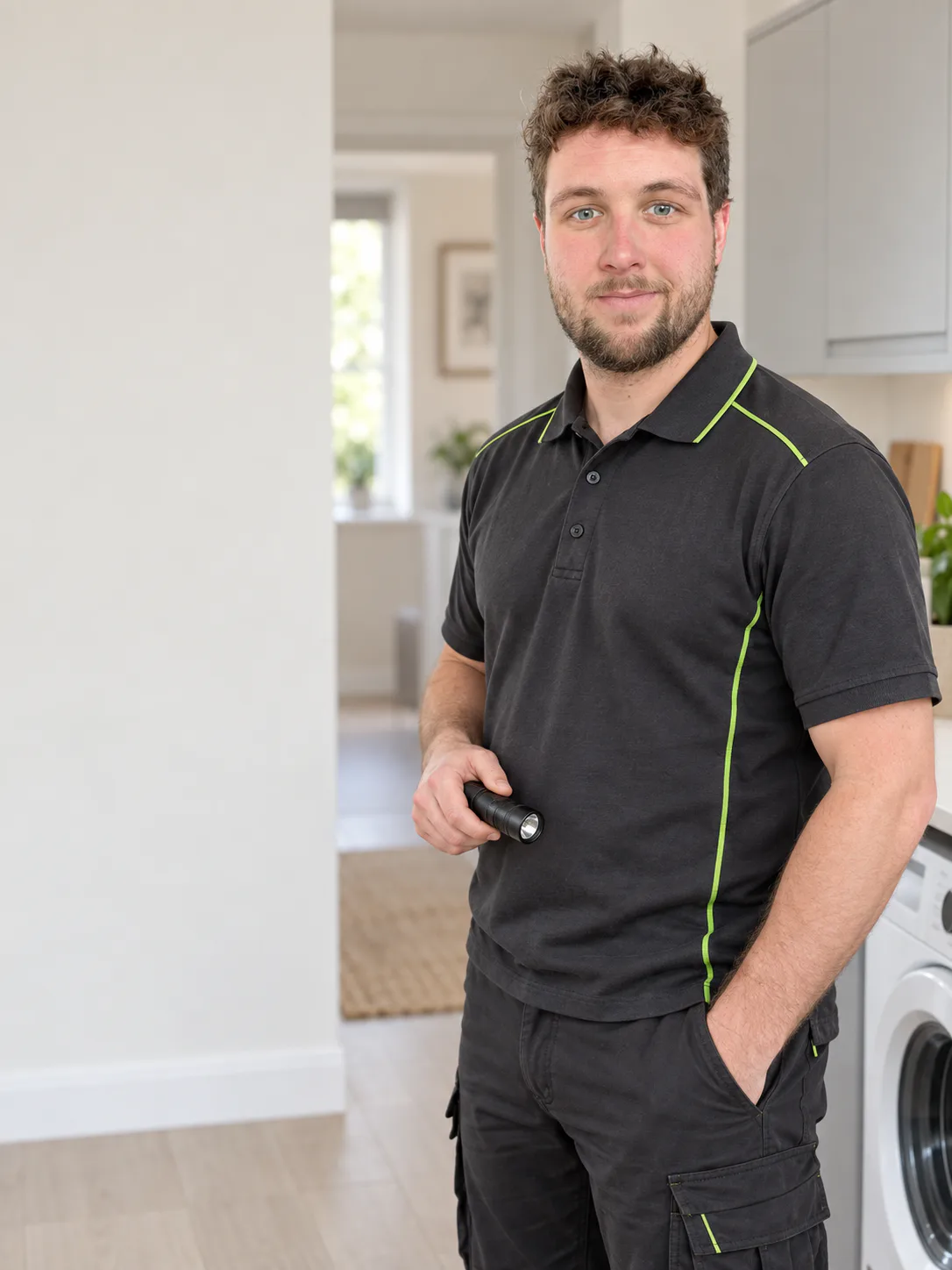
What professional rat control involves
Professional rat controlisn't a single action — it's a short sequence of decisions, each of which depends on what's actually found at the property. That starts with confirming genuine activity, understanding how widespread it is, and identifying how issues are originating. Only once that picture is clear does treatment get chosen.
A proper assessment takes that guesswork out, which is both more accurate and faster to resolve overall because the right method gets used from the start.
Signs of a rat control issue
Prompt diagnosis prevents small issues from escalating. These are the primary indicators worth paying attention to:
One sign on its own isn't necessarily cause for alarm. What generally warrants a closer look is two or more of these signs appearing in the same area within a short period.

Why early action is essential
Prompt intervention provides three concrete benefits over delaying treatment:
Why issues develop in a property
Problems don't emerge at random — they respond to access, food, warmth, and moisture:
Our step-by-step process
Assessment
A walk-through of the affected areas to confirm activity, identify likely entry points, and understand the extent of the problem — inside or outside.
Treatment planning
The approach is matched to what's actually found, rather than applied as a single default method regardless of circumstances.
Implementation
Treatment is carried out, with any access, safety, or timing considerations (pets, children, food storage) accounted for beforehand.
Follow-up & Guarantee
A further visit confirms whether activity has genuinely stopped, with written documentation and proofing guidance provided.
DIY measures vs. professional treatment
Where over-the-counter measures fall short compared to professional methodology:
| Consideration | DIY Traps / Sprays | Best One Professional Service |
|---|---|---|
| Identifying entry points | Not typically included | Assessed and reported on |
| Scaling to established populations | Often limited | Approach adjusted to extent found |
| Access to lofts, voids, drains | Frequently impractical | Part of a full assessment |
| Confirmation of resolution | Self-assessed | Follow-up visit included |
| Prevention advice | Not usually included | Proofing recommendations provided |
What affects the price and scope
Prevention and long-term protection
Sealing access points: Wire mesh over airbricks, sealing pipe entries, repairing mortar, and fitting door sweeps.
Managing food sources: Sealed containers for pet food, secure bin lids, clearing fallen fruit, and managing bird feeders.
Reducing shelter: Keeping garden vegetation and log piles away from base walls and inspecting lofts periodically.
Ongoing vigilance: Check dark corners, boiler cupboards, and lofts periodically for early signs of droppings.

Frequently asked questions
Rats reach sexual maturity at around five weeks old, and a single female can produce several litters a year, each with six to twelve pups. In practical terms, a couple of rats spotted in a garden in spring can become an established indoor population by autumn if entry points and food access aren't addressed.
This depends on the treatment method used for your specific situation. Some interventions — proofing work, trap placement, bait station positioning — don't require anyone to leave. Where a different approach is more appropriate, that will be explained clearly before anything is agreed.
Any method used around a property with pets is chosen and positioned with that in mind, using tamper-resistant bait boxes placed in inaccessible locations.
Size is the most obvious indicator — adult rats are considerably larger than mice, with adult rat droppings roughly the size of a grain of rice compared to a mouse's, which are closer to a grain of black pepper.
Yes. A rat's incisors grow continuously, so gnawing is a physical necessity. Skirting boards, timber joists, plastic piping, and electrical cabling are all common targets, creating documented fire risks.
In the days immediately following treatment, seeing continued activity doesn't mean the approach isn't working — it can take time for a population to be fully addressed. This is exactly what our follow-up visit confirms.
Because there is less between you and the team doing the work. You book us directly, so there is no agency taking a cut, no outsourced call centre, and no franchise fee going upstream every month. We also cluster jobs by area, so our teams spend less of the day travelling. The work, the equipment and the insurance are the same — the overhead is not.
Check coverage for your postcode
Seen one of the signs above?
Early activity is quicker and costs less to resolve than an established population. Book an assessment and get a straight answer on what's actually happening.